


Exploring the Wildlife of the Jupiter Inlet Lighthouse Outstanding Natural Area
Where the Indian River Lagoon meets the Loxahatchee River, the Jupiter Inlet Lighthouse Outstanding Natural Area (JILONA) unfolds like a living postcard. This 120‑acre stretch of protected coastline blends mangrove forests, tropical hammocks, and bright, sandy uplands into a landscape buzzing with life. It’s a place where every tide, every rustle in the leaves, and every flutter of wings tells a story.
Where the Estuary Comes Alive
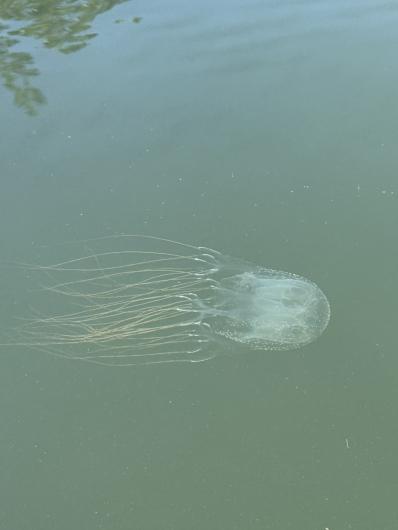
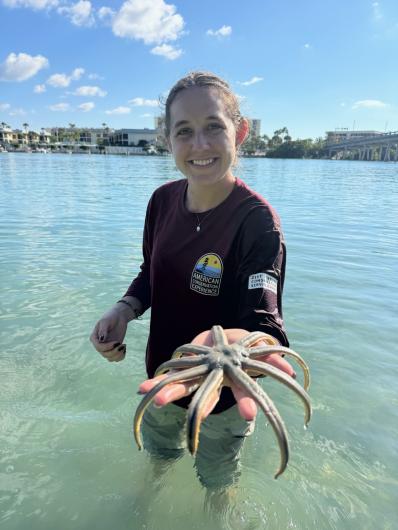
Step near the water and the estuary seems to breathe. Tides slide through mangrove roots, carrying moon jellyfish and schools of fish with them. Atlantic sand fiddler crabs scuttle sideways across the shallows, spotted eagle rays sweep by like underwater kites, and nine‑armed sea stars cling quietly beneath the surface.
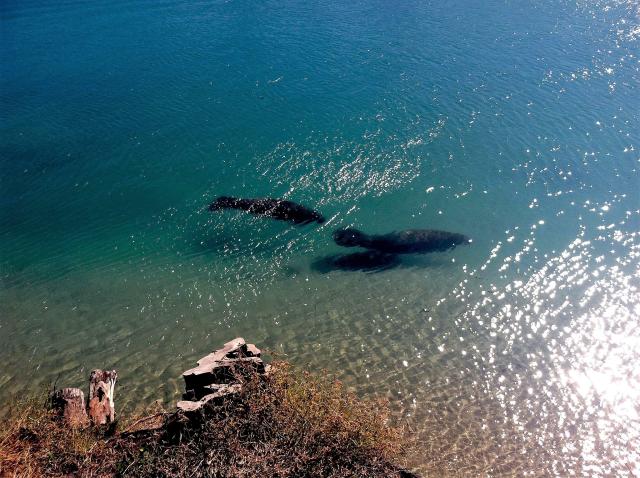
And then there are the manatees—gentle, lumbering, unforgettable. JILONA is the only Bureau of Land Management site where manatees are regularly spotted, thanks to its calm waters and lush vegetation. These peaceful herbivores graze for hours on seagrasses and mangrove leaves, sometimes consuming close to 1,000 pounds of vegetation in a single day. Their steady presence is a sign that this estuary is thriving.
Habitat restoration has played a major role in that success. Volunteers and conservation crews have planted more than 10,000 red mangroves, strengthening the shoreline, improving water quality, and creating vital shelter for young fish.
Wildlife of the Uplands
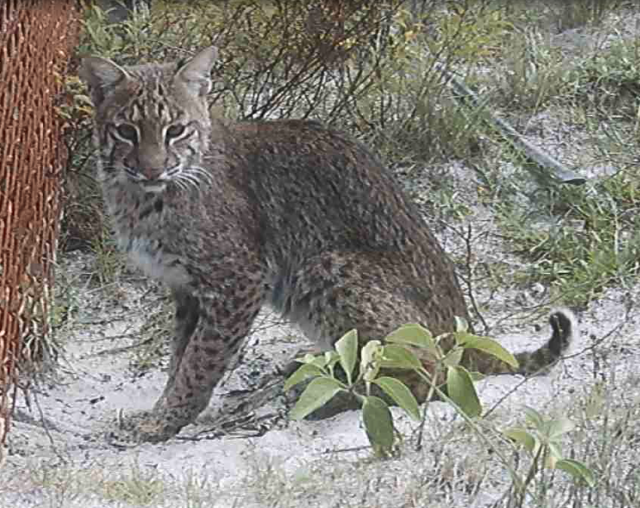
A short walk inland reveals a whole new world. Gopher tortoises—famous for burrows that shelter hundreds of other species—wander slowly between patches of sand and scrub. Green anoles leap between branches, corn snakes ribbon through the underbrush, and trail cameras often catch glimpses of elusive bobcats moving through the hammock.
Birdlife on the Wing
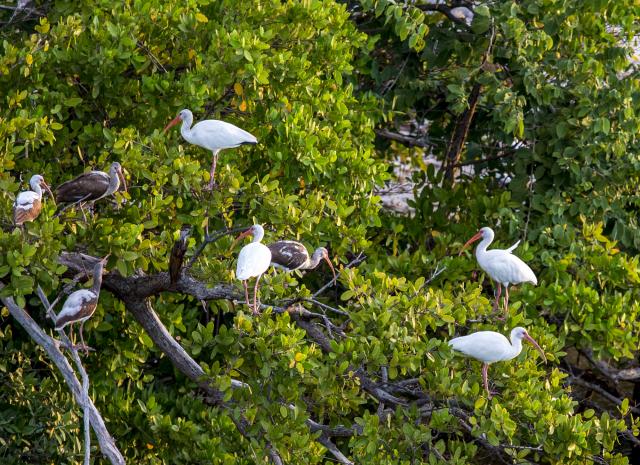
For bird lovers, JILONA is a paradise. As morning light spreads across the wetlands, great egrets stand poised like statues while white ibis feed in groups nearby. Yellow‑crowned night herons linger in the shade of the mangroves. Overhead, brown pelicans skim the water’s surface and osprey circle with freshly caught fish in their talons. It’s no surprise the site is featured on the Great Florida Birding and Wildlife Trail.
Small Wonders
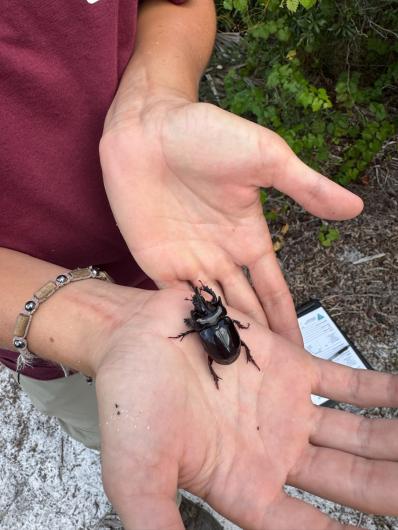
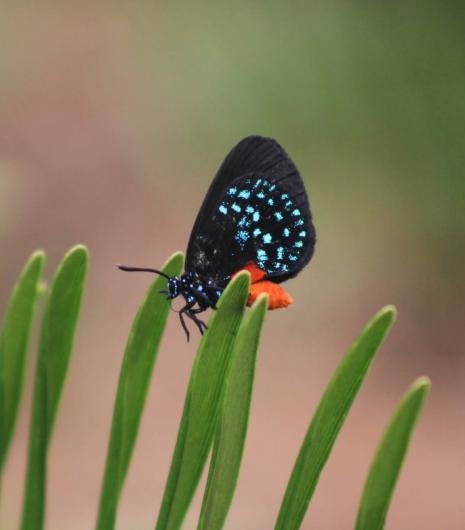
Look closely, and you’ll find even more magic: io moths resting in the leaf litter, rhinoceros beetles tucked beneath logs, and the delicate Atala butterfly—whose survival depends on carefully restored native plants—floating through the hammock.
Stewardship That Keeps the Sanctuary Thriving
Behind the scenes, dedicated volunteers, interns, and conservation partners work year‑round to keep JILONA healthy. They pull invasive plants, plant natives, maintain trails, and restore vulnerable shorelines. Their efforts protect the mosaic of habitats that make this place extraordinary.
A Sanctuary to Treasure
From manatees drifting through quiet waters to tortoises carving paths through upland sand, JILONA is a living symphony of Florida wildlife. With continued care and restoration, it will remain a beacon of biodiversity and a rare place where river, lagoon, and lighthouse meet in perfect harmony.
Related Stories
- A Better Visit, a Lighter Footprint: Vermilion Cliffs National Monument Marks 26 Years
- New Beginnings and Happy Trails at Deerwood Ranch
- Finding Connection: Addison Fulk’s Journey with Three Mustangs
- On National Public Lands Day, BLM celebrates volunteerism across the country
- Veterans Day: Continuing the Mission Through Public Service
Office
5275 Leesburg Pike
Falls Church, VA 22041
United States