


Manatee Awareness Month: Protecting Gentle Giants on BLM Public Lands
Every November, Manatee Awareness Month celebrates one of Florida’s most beloved residents: the West Indian manatee. Often called “sea cows” because of their grazing habits, these gentle giants can grow to more than 10 feet long and weigh over 1,000 pounds. Despite their impressive size, manatees are peaceful, slow-moving animals that spend much of their time feeding on aquatic vegetation, resting, and traveling through coastal waters, rivers, estuaries, and springs.
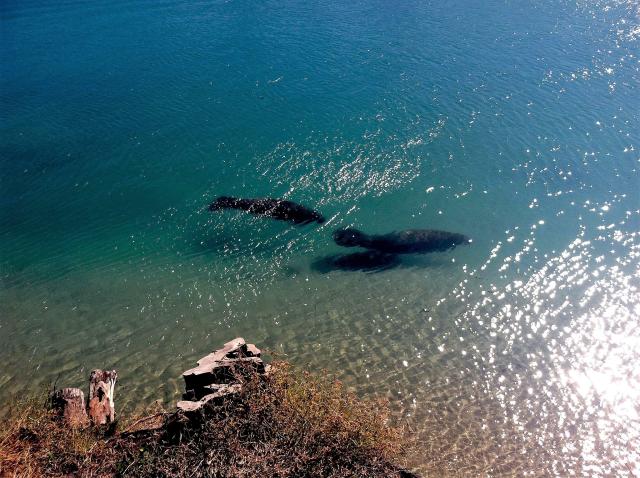
For the Bureau of Land Management Eastern States, Manatee Awareness Month shines a spotlight on a special place where visitors can experience these remarkable animals in the wild: the Jupiter Inlet Lighthouse Outstanding Natural Area (ONA) in Jupiter, Florida. Where the Indian River Lagoon meets the Loxahatchee River, this 120-acre landscape of mangrove forests, tropical hammocks, and estuarine waters provides important habitat for a wide variety of wildlife. It is also the only BLM site where manatees are regularly observed. The area's calm waters and abundant vegetation create ideal conditions for these iconic marine mammals.
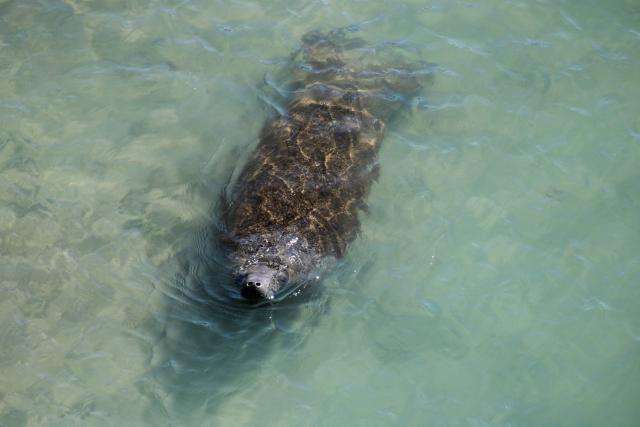
Spotting a manatee is often an unforgettable experience. Visitors may see one slowly surfacing for air, grazing among submerged vegetation, or gliding quietly beneath a dock. Beyond their charm, manatees play an important role in maintaining healthy aquatic ecosystems by feeding on vegetation and helping keep waterways balanced.
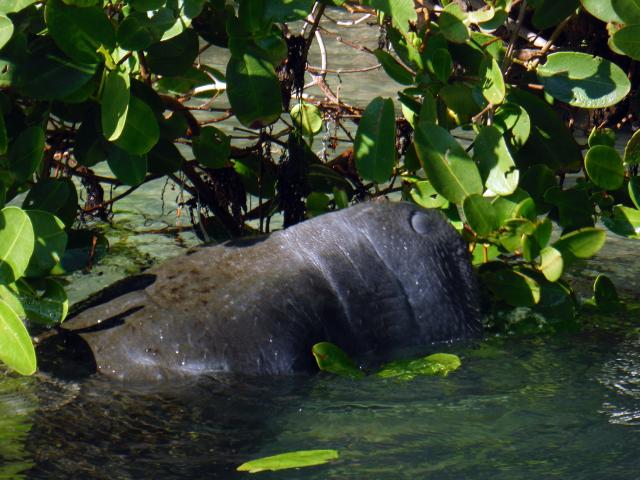
Unfortunately, manatees face ongoing challenges. Vessel strikes, habitat loss, water pollution, and extreme weather events remain significant threats. That is why conservation and public awareness are so important. At the Jupiter Inlet Lighthouse Outstanding Natural Area, the Great American Outdoors Act Shoreline Stabilization Project is helping protect and restore critical coastal habitat. The project includes living and engineered shoreline features designed to reduce erosion, improve water quality, and enhance ecological resilience. Planned improvements include native vegetation plantings, in-water wave breaks, artificial reef structures, retaining walls, and improved shoreline access.

Community involvement is also making a difference. Volunteers, interns, and BLM staff have planted thousands of native plants and mangroves to strengthen the shoreline and create healthier habitat for fish, birds, and marine life, including manatees.
How You Can Help Protect Manatees
Everyone can play a role in protecting these gentle giants:
Follow posted speed zones and operate boats carefully in areas where manatees may be present.
Keep a safe distance when viewing manatees and never chase, touch, feed, or give them water.
Properly dispose of trash and fishing line to help keep waterways clean.
Support habitat restoration and conservation efforts on public lands.
Report injured, stranded, or distressed manatees to wildlife authorities.
When viewing manatees, patience is key. Watch quietly from shorelines, docks, or observation areas and allow the animals to behave naturally. Responsible wildlife viewing helps reduce stress on manatees while creating a better experience for everyone.
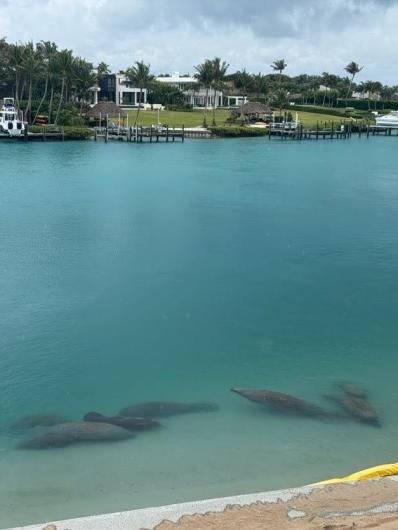
This Manatee Awareness Month, take time to appreciate these extraordinary animals and the habitats they depend on. Whether you're visiting the historic lighthouse, exploring a shoreline trail, or simply enjoying the waters of south Florida, a glimpse of a manatee serves as a powerful reminder that conservation works. Through stewardship, habitat restoration, safe boating practices, and community partnerships, BLM Eastern States is helping ensure that future generations can continue to encounter these gentle giants on America's public lands.
Related Stories
- Ryan GosWING Wins BLM’s 2026 Bat Beauty Contest
- BLM Partners and Volunteers Enhance Desert Garden at San Pedro Riparian National Conservation Area
- Celebrate Halloween with Bat Trivia on BLM-Managed Lands
- BLM’s Meadowood Special Recreation Management Area Celebrates 25th Anniversary
- Tracking Bats Across Big Skies: BLM Lands Help Expand Montana’s Motus Network
Office
5275 Leesburg Pike
Falls Church, VA 22041
United States